The deployer of record
You know who
deployed it.
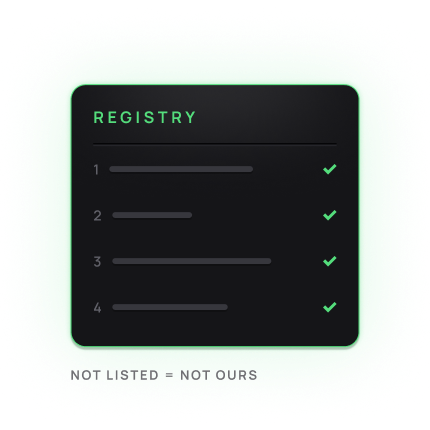
And what we hold. And what we've sold. Every KNOWN coin launches with its full record public, from block one.
And what we hold. And what we've sold. Every KNOWN coin launches with its full record public, from block one.
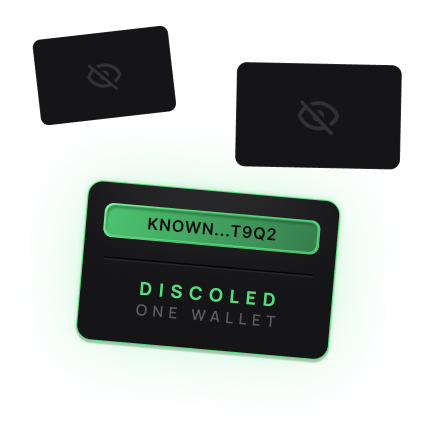
We create the coins, launch them under rules we publish, and keep the record: our holdings, our sales, the terms of every launch. One company, one wallet.
This doesn't mean a KNOWN coin can't go to zero. Plenty will. It means that if one does, it went there on its own, not because someone was selling into you from a wallet you couldn't see.
When we sell any of it, we say so: the amount and the date, posted to the coin's entry. Sales aren't announced in advance, because the announcement itself moves the price, and each is sized so it can't do damage on its own.
We create the coins, so the launchpad's creator rewards come to us. On flywheel coins, a fixed share buys back into the token instead. The split is set before launch and shown on the coin's entry.
A fair launch is a fair start, not a floor and not a forecast. There is no backstop behind a KNOWN coin: any floor you think you see is other buyers, not us. Snipers exist, early sellers exist, and no deployment method removes them.
Never buy a token because KNOWN deployed it. The mark tells you who launched a coin and what we were paid, nothing more. The judgment is yours.
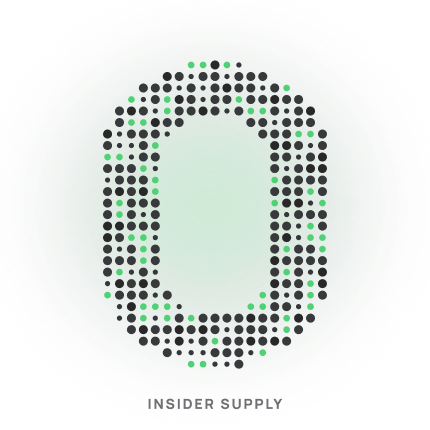
The reasoning, in full ↳Concentration is the risk, whoever deployed it. A few wallets with enough supply can take the price apart at will.
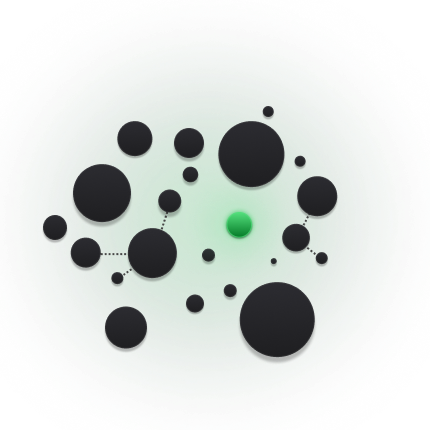
A spread-out holder list can still be one person. On a bubble map, linked wallets give themselves away as clusters.
Assume zero is a real outcome, because it often is. Our coins included. There is no backstop.
The tokens that last are the ones people carry themselves. Our job is to hand you the keys at the start, not make you take them back after a rug.